How do i find buyers for products i want to export?
To find export buyers, define the type of buyer and market you are targeting, then use relevant trade leads and direct outreach to start focused conversations. Check each prospective buyer before agreeing to an order or payment terms; a lead alone does not confirm that a buyer is suitable.
Start with a defined buyer profile
To find export buyers efficiently, define the buyer you want before collecting leads. Specify the product, the target market, the type of company likely to purchase it, and the evidence that would make a contact relevant. A focused profile helps you distinguish a potential customer from a name that merely appears in a directory.
Start with the product’s commercial details: its materials or ingredients, specifications, intended use, packaging, production capacity, minimum order quantity, and any requirements you already meet. Then narrow the market by considering where the product is suitable and what import rules, standards, or labelling requirements may apply. Avoid assuming that a large market automatically contains buyers for your particular offer.
Choose a buyer type that matches how the product reaches customers. Depending on the product, this could be an importer, distributor, wholesaler, retailer, manufacturer, or business purchasing for its own use. Add practical filters such as the buyer’s product range, typical order size, location, and ability to handle imported goods.
Before treating a contact as a useful lead, look for evidence that the company operates in the relevant market and handles products like yours. A matching catalogue or product range, a clear business website, consistent company details, and a named contact responsible for purchasing can all help establish relevance. Record what each lead appears to buy, why your product may fit, and what still needs checking; this makes later outreach more specific.
Find leads through trade networks and marketplaces
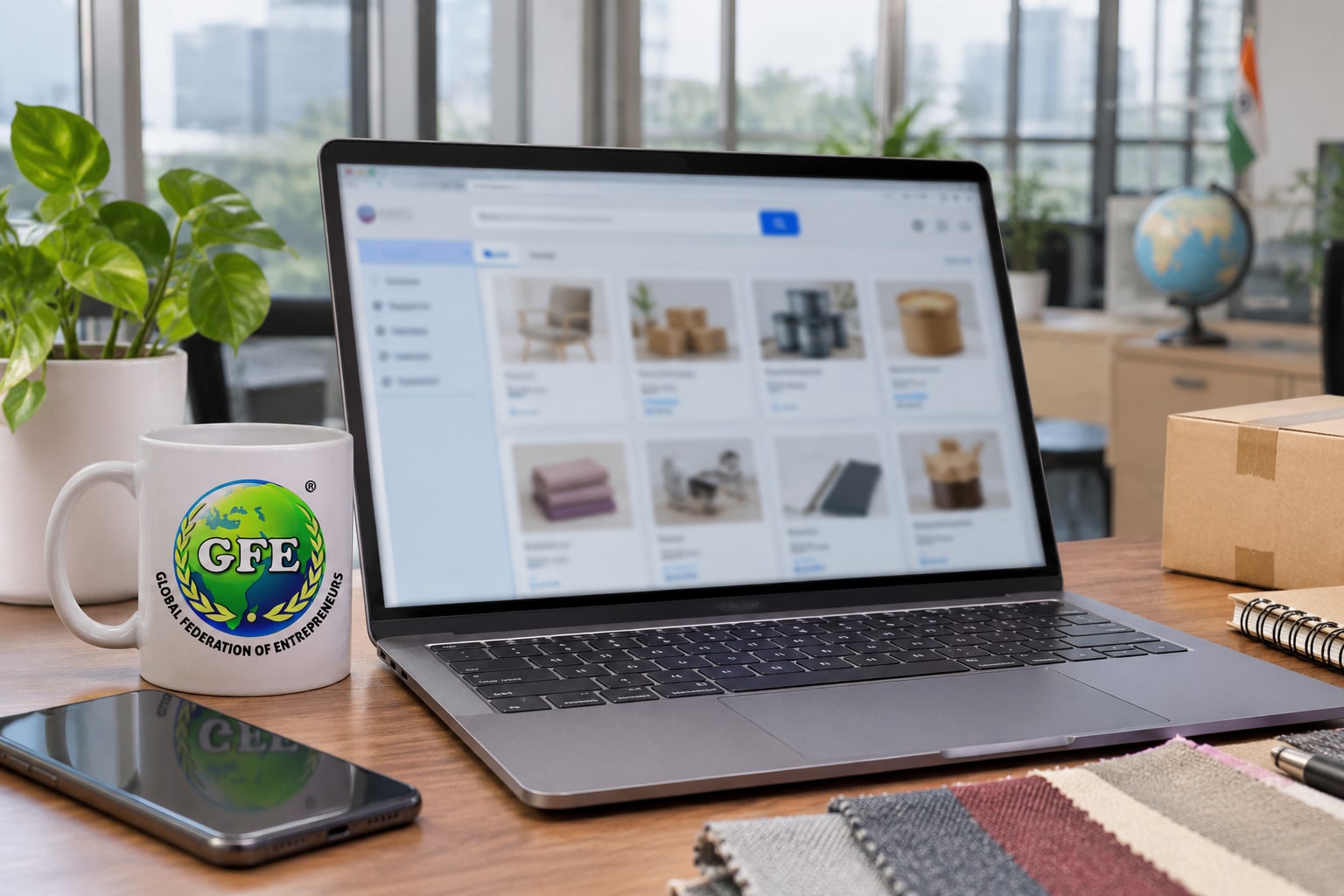
You can find export buyers through government export-promotion services, trade associations, trade shows, B2B directories and international marketplaces. Each source produces different kinds of leads: some connect you with organized trade activity, while others let you search for companies or respond to buyer enquiries. Use them to identify prospects in your target market, not as proof that a buyer is suitable or ready to purchase.
Government export-promotion services may provide trade leads, market information, or introductions through export agencies and trade offices. Availability and eligibility vary, so check what the service covers and whether its information is current. Trade associations can help you identify importers and distributors in a particular product sector, although membership or access requirements may apply.
Trade shows bring suppliers and buyers together around a product category or market. Exhibitor and visitor directories can help you make a shortlist, but attending or exhibiting may involve significant time and expense. B2B directories are useful for finding companies by product or location; listings can be incomplete or outdated, so treat them as starting points.
International marketplaces can expose your products to buyers already searching online, but competition, platform rules and enquiry quality differ. Compare each source by product fit, target-market reach, lead detail, access cost and how recently the information was updated. Keep a record of where each prospect came from and what evidence supports its relevance, then prioritize leads that match your product and market rather than contacting every listing.
Turn a trade lead into a useful conversation
Turn a trade lead into a useful conversation by checking whether the prospect fits your product and market, then sending a brief, specific message. Before contacting a company, review its website and public business information for its product range, customer type, operating markets and role in the supply chain. A distributor, importer and retailer may need different product specifications, order quantities and commercial terms.
Look for evidence that the prospect handles products like yours and serves the destination market you have in mind. Check that the company name and contact details are consistent across its website, business profiles and relevant trade listings. If you cannot establish what the business does or who your contact is, verify those details before sharing sensitive information.
Your first message should make it easy for the buyer to assess fit. Include:
- Your company name and a clear product description, including material, specifications or intended use where relevant.
- The target market you can serve and your export readiness, such as available samples, production capacity, packaging options and indicative lead time. State only what you can currently support.
- A relevant reason for contacting that buyer, based on its product range or market.
- One clear next step, such as asking whether the buyer would like a catalogue, specification sheet or quotation for a stated quantity.
Keep the message concise and avoid sending a generic catalogue without context. Follow up once with a brief note if you do not receive a response, then record the date and outcome so you can manage further outreach professionally.
Check a buyer before you commit

Before agreeing to an order, payment terms or production schedule, make preliminary checks to confirm that the buyer and their business details are consistent. Verify the person’s identity, company information and authority to discuss the purchase; a professional-looking email or website alone is not proof.
Start by comparing the company name, address, phone number and website across its own materials and reliable public business records in the buyer’s country. Check that the contact’s email domain matches the company domain, and use a phone number you find independently to confirm the person works there. Look for a consistent business presence, relevant product activity and a clear explanation of what the buyer wants to purchase.
Ask for details that a genuine commercial enquiry should be able to clarify, such as product specifications, intended quantity, destination, required delivery timing and the buyer’s role in the transaction. These questions help establish whether the request fits your offer; they do not, on their own, verify financial capacity.
Pause if company details conflict, the contact will not confirm their identity, or they pressure you to act before basic checks are complete. Be cautious with requests to pay unusual fees, send goods to an unrelated address or accept unclear payment arrangements. Keep written records of the enquiry and any documents received, and verify documents with the issuing organization where possible.
If a substantial order, unfamiliar jurisdiction or unusual payment term raises concerns, seek guidance from a bank, trade professional or relevant public trade-support service before committing. These preliminary checks can help you decide what to verify next, but they are not a full credit-risk assessment.
Build buyer outreach skills with practical training
GFE Business Export Import Training can help you practise buyer research and outreach as part of building practical global trade skills. It is intended for people developing those skills or starting an import-export business, and includes online training and live sessions. Use the learning to connect the steps behind a potential buyer lead with the preparation needed to approach that prospect clearly.
For example, take a product you are considering exporting and work through what would make a prospective buyer relevant: the buyer’s business type, target market, product fit and available contact information. Then practise preparing a short introductory message that explains the product, its specifications and your export readiness, with one clear next step, such as asking whether the recipient handles that category. This turns outreach from a general sales pitch into a focused business conversation.
Training can also help you understand the wider trade processes that affect how you present your offer. Before contacting a prospect, you should be able to describe what you can supply and identify questions that still need checking, such as destination-market requirements or delivery arrangements. Live sessions give you a setting to discuss practical questions as you build these skills, while online training provides another way to learn. Treat training as preparation, not a substitute for checking a specific buyer or confirming the requirements of an export transaction.
If you are new to buyer outreach, use Export Import Training to build a working understanding of trade and practise communicating your offer before approaching prospects. You can then apply that preparation to your own product and target market, improving your ability to assess whether a lead merits further contact.
Frequently asked questions
Which public services can help me find export trade leads?
Government export-promotion services can help you identify trade leads and market information. Trade associations, trade shows, B2B directories, and international marketplaces are other sources to research against your target buyer profile.
How can I check whether an export buyer is genuine?
Check the prospective buyer’s business identity and contact details, review its website and business presence, and confirm that the inquiry and requested terms are consistent. If you have concerns, seek further guidance before sharing sensitive information or committing to an order.
What information should I include in my first message to a buyer?
Introduce your company and product, share relevant specifications and what you can currently supply, explain why you are contacting that buyer, and ask one clear next-step question, such as whether they would like a catalogue or quotation.
How do I choose which buyer leads to contact?
Prioritize leads that match your product, target market, and buyer type. Check what the company sells or purchases, where it operates, and whether the available contact information and business details are consistent.
Are B2B directory listings proof that a company is ready to buy?
No. Listings can be incomplete or outdated. Treat them as starting points, check the company’s relevance and current details, and confirm the buyer’s requirements through direct communication.
What should I clarify before preparing an export quotation?
Clarify the product specifications, quantity, destination, delivery expectations, and the buyer’s role in the transaction. Confirm what you can supply and identify any requirements that still need checking before discussing terms.
Should I commit to an order after a buyer replies?
A reply alone does not verify a buyer or confirm that an order is suitable. Check the company and contact details, clarify the request, and resolve concerns before agreeing to payment terms, production, or shipment.
Find leads, follow up, and verify before committing
To find export buyers, work from a defined prospect list, contact buyers with a clear and relevant message, and verify their details before agreeing to an order or payment terms. Keep a record of where each lead came from, what you sent, and when to follow up; this makes it easier to focus your time on prospects showing genuine interest.
For each lead, note the company name, country, website or directory profile, contact person, product fit, and any evidence that it imports or distributes similar goods. After your first message, follow up politely if you receive no reply, referring to your earlier note and asking one specific question. If a prospect responds, clarify product specifications, order requirements, delivery expectations, and the next step before preparing a quotation or discussing terms.
Do not treat a reply, online listing, or trade-show conversation as proof that a buyer is genuine. Check that the company and contact details are consistent across reliable sources, and pause if information is unclear or a request creates pressure to commit. If you cannot resolve concerns, seek appropriate guidance before signing an agreement, shipping goods, or accepting unfamiliar payment arrangements.
The practical takeaway is to build a focused pipeline and verify each prospect before making a commitment. If you are developing these skills as a new exporter, review GFE Business Export Import Training as a next step for learning how to handle trade processes with practical guidance.
Conclusion
Finding export buyers is a process of matching your product to relevant prospects, choosing suitable lead sources, and communicating your offer clearly. Keep records of your research and follow-up, and verify each buyer before agreeing to an order or payment terms. These steps help you make informed decisions as you develop your export outreach.