
What do i need to know before my first export shipment?
Before first export shipment, confirm the buyer, written order terms, delivery responsibilities, compliance requirements and full costs before goods leave India. Do not authorize dispatch while any key term, requirement or payment exposure remains unresolved.
Key takeaways
- Get the buyer, product details, quantity, price and payment terms agreed in writing.
- Use the same named place and Incoterm version when agreeing who handles transport, costs and risk.
- Check product classification, destination restrictions, export controls and applicable permits.
- Calculate shipment costs and clarify payment timing before committing goods.
Confirm the order before goods are dispatched
Before goods are dispatched, confirm the buyer and the full order in writing. Do not rely on a verbal discussion or an incomplete purchase order when key details could affect what you produce, how much you ship or when you expect payment.
Check that the buyer’s legal or business name and contact details match the party placing the order and receiving the goods, where applicable. Then compare the product description and specifications against the agreed quotation: include relevant materials, size, model, quality requirements, packaging and any customization. Confirm the quantity and currency, unit price, total order value and any agreed changes. If samples or specifications have been approved, record which version the order refers to.
Payment terms should state the amount due, payment method and timing, including any deposit or balance due before dispatch. Make sure both sides have the same understanding of when payment is expected and what happens if a payment is delayed. Also confirm the expected shipment or delivery dates and any delivery commitments made to the buyer. Avoid treating an estimate as a confirmed date if production, transport or another dependency is still unresolved.
Keep the order confirmation, accepted quotation and relevant buyer correspondence together. If the purchase order conflicts with the quotation, a specification is missing or a change remains unsettled, ask the buyer to clarify and approve the final terms in writing before committing the goods to dispatch.
Agree on delivery terms and who handles each task
Agree on an Incoterm that clearly assigns transport costs, task responsibilities and the point where shipment risk transfers from seller to buyer. Write the rule together with the exact named place and the applicable version, so both parties understand the same delivery arrangement.
Incoterms do not decide every part of a sale, and the allocation differs by rule. Depending on the agreed term, one party may arrange and pay for main carriage, while the other handles tasks such as export clearance, import clearance or unloading. The point where risk transfers is also defined by the selected rule; it may not be the same point at which transport costs change hands. Check each responsibility against the actual shipment route and the tasks each party can perform.
Be precise when recording the term. A named place such as a port, terminal or delivery address can affect where obligations begin or end. “FCA” alone, for example, does not identify the agreed handover point. Confirm the same place and version with the buyer, then include them in the sales contract or order confirmation. Using different versions, or leaving the location unclear, can lead to disputes about who should arrange or pay for a shipment task.
Before authorizing dispatch, compare the agreed term with your freight booking and confirm who is responsible for each leg and handover. If either party’s interpretation differs, pause and clarify it in writing rather than relying on assumptions.
Check product, destination and export requirements
Before dispatch, verify how the product is classified and whether India and the destination country allow its export and import under the intended conditions. Classification can affect export controls, destination restrictions and permit requirements, so confirm it using accurate product details rather than relying on a broad product name.
Check the product’s material, composition, function and intended use against the relevant classification system. If the classification is unclear, seek guidance from a qualified trade professional or the appropriate authority before proceeding. Do not assume that similar products share the same code or regulatory treatment.
Then review rules that apply to both sides of the transaction. Confirm whether the goods are restricted or prohibited for export from India, whether an export authorisation or other approval applies, and whether the destination country imposes import restrictions, product standards, labelling rules or conditions for particular end users. Controls can depend on the product, its technical specifications, the destination and how it will be used.
Use current official guidance from the relevant Indian authorities and the destination country’s regulators; check that it covers your specific product and destination, not only the general product category. If a rule or permit requirement remains uncertain, pause and obtain confirmation before dispatch. This check helps you identify compliance issues early, but it does not replace transaction-specific advice where the rules are complex.
Calculate the shipment cost and protect payment

Calculate the full shipment cost and confirm when payment is due before you commit goods for export. Start with the agreed product price, then account for the costs that apply to your sale, such as packaging, inland transport, freight, insurance, customs-related charges and any fees for handling or payment. Which costs you bear depends on the sale terms and route, so use actual quotations and confirm who pays each charge rather than relying on an estimate.
Compare the expected total with the amount and timing of the buyer’s payment. For example, if a balance is due only after dispatch or delivery, check whether you can cover production and shipping costs while waiting, and what evidence or conditions trigger payment. Confirm the currency, payment method, bank charges and due dates in writing, and check that the payment arrangement matches the order terms.
Before authorizing shipment, identify any unresolved financial exposure: a freight quote that may change, charges not assigned to either party, a deposit that does not cover your upfront costs, or payment due after you have lost control of the goods. Ask the buyer and relevant service providers to clarify uncertain amounts or timing. If the numbers still depend on unconfirmed assumptions, pause and revise the costing or payment terms before dispatch.
Use shipment-based guidance when setup is not enough
GFE Business’s Guaranteed Shipment Plan is a shipment-based success plan for export-import business setup, intended to support traders moving from business setup toward a first shipment. It may be relevant when you have established the basics of your business but want practical guidance focused on progressing to a shipment.
A shipment-based plan can help connect setup decisions with the work of carrying out a transaction. Before choosing support, clarify what guidance is included, which parts of the shipment process it covers, what information you need to provide and how responsibilities are divided between you and the support team. Ask how the plan handles issues that depend on your product, destination market or transaction, since these can vary.
Use the plan to address specific gaps in your readiness rather than assuming that a support plan replaces your own checks or decisions. You remain responsible for confirming the commercial terms with your buyer and ensuring that the details of your shipment are accurate. If you are comparing support options, describe your intended shipment and ask which steps the plan can help you work through, so you can judge whether it fits your needs before committing.
Frequently asked questions
Which checks can reduce shipment and payment risks before dispatch?
Verify the buyer and written order terms, confirm how the agreed Incoterm assigns responsibilities and risk, check destination and export requirements, and resolve payment timing and cost exposure before authorizing dispatch. These checks help identify issues early but cannot eliminate all commercial risk.
When do U.S. export filing rules apply?
U.S. export filing rules apply to exports from the United States, not simply because an Indian shipment is going to a U.S. buyer. For a shipment from India, verify the applicable Indian export requirements and destination-country rules before dispatch.
Make the final checks before authorizing dispatch
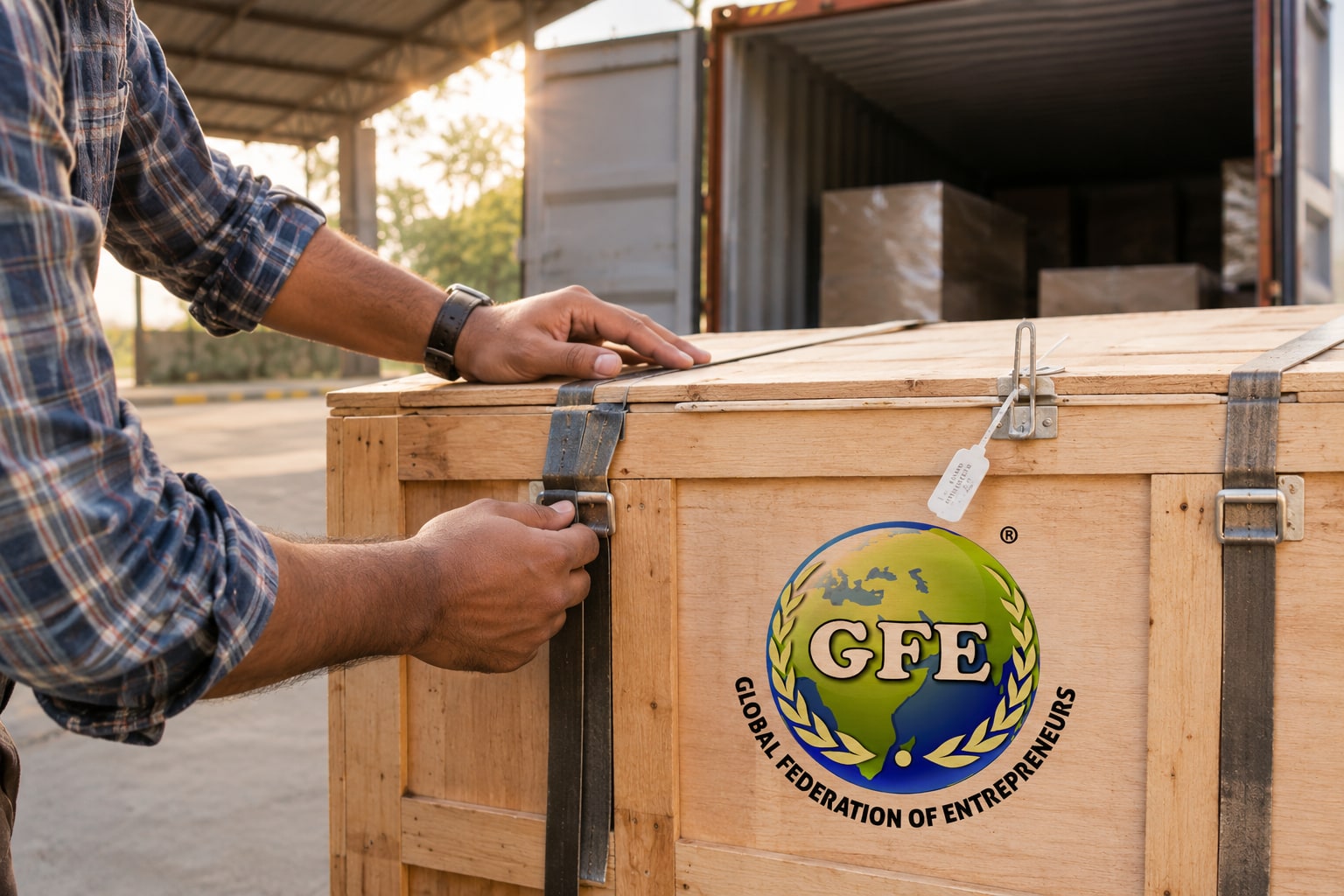
Authorize dispatch only when the order, shipment responsibilities, compliance checks and full costs are clear enough for you to proceed without relying on assumptions. If any point remains unresolved, pause and ask the buyer or relevant service provider to confirm it in writing before the goods leave India.
Use a final go-or-pause check: does the confirmed order match the goods prepared, and are the agreed delivery expectations understood by both parties? Do you know who is responsible for the remaining shipment tasks and costs? Have you checked the product and destination requirements that apply, and can you meet the agreed payment arrangements without taking on an exposure you have not assessed?
Keep the confirmations and decisions together so they can be reviewed by the people handling the shipment. A buyer’s last-minute change to quantity, destination or delivery expectations may affect the plan; reassess the relevant responsibilities, compliance and costs before proceeding rather than treating the earlier approval as unchanged.
The practical rule is simple: dispatch when the key decisions are confirmed and financially workable, and pause when a material uncertainty remains. If you need structured support as you move from business setup toward a first shipment, review GFE Business’s Guaranteed Shipment Plan to decide whether shipment-based guidance fits your next step.